Back to Blogs
Author: Ayush Raj Date: 12 October 2025 Feedstock Technology Biomass Pellets BioCNG

Maximizing Napier Grass Potential for Bio-CNG and Biomass Pellets

Insights into cultivating, harvesting, and optimizing Napier Grass for maximum energy output and economic benefits.
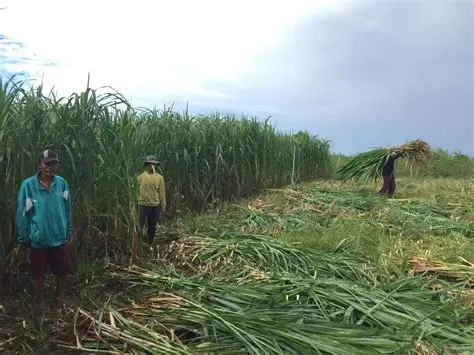
High-yield Napier grass field for Bio-CNG and pellet feedstock.

Napier Grass is one of India's highest-yielding, sustainable feedstocks for Bio-CNG and biomass pellets. Optimizing its cultivation and processing is critical for efficient plant operations and energy output.

1. Cultivation Best Practices

  • Ideal regions: tropical and subtropical climates.
  • Fertility: Low to moderate fertilizer requirements; grows on marginal lands.
  • Irrigation: Minimal; resilient to seasonal variations.
  • Harvesting frequency: Every 60–70 days for optimal growth and methane yield.

2. Energy Yield & Pelletization

  • Biogas potential: 180–220 m³ methane/ton.
  • Pellet calorific value: 3,800–4,000 kcal/kg.
  • Densification increases storage efficiency and eases transportation.

3. Feedstock Pre-Treatment

  • Size reduction (<12mm) ensures uniform digestion and pellet quality.
  • Moisture control (<60%) prevents microbial imbalance and maximizes energy conversion.

4. Economic & Environmental Impact

  • Provides rural income through contract farming.
  • Sequesters carbon and restores degraded soil.
  • Dual-use crop: suitable for both CBG digestion and pellet production.

Hastus Insight: Hastus implements cluster-based Napier farming programs, ensuring feedstock security while maximizing methane output and pellet quality for Bio-CNG plants.
Subscribe to Updates

Stay informed with the latest insights on renewable energy, Bio-CNG, and sustainable solutions.

How can we help you?