Step-by-Step Process
Bio-CNG Production Flow
Complete breakdown of each stage in the Bio-CNG production process
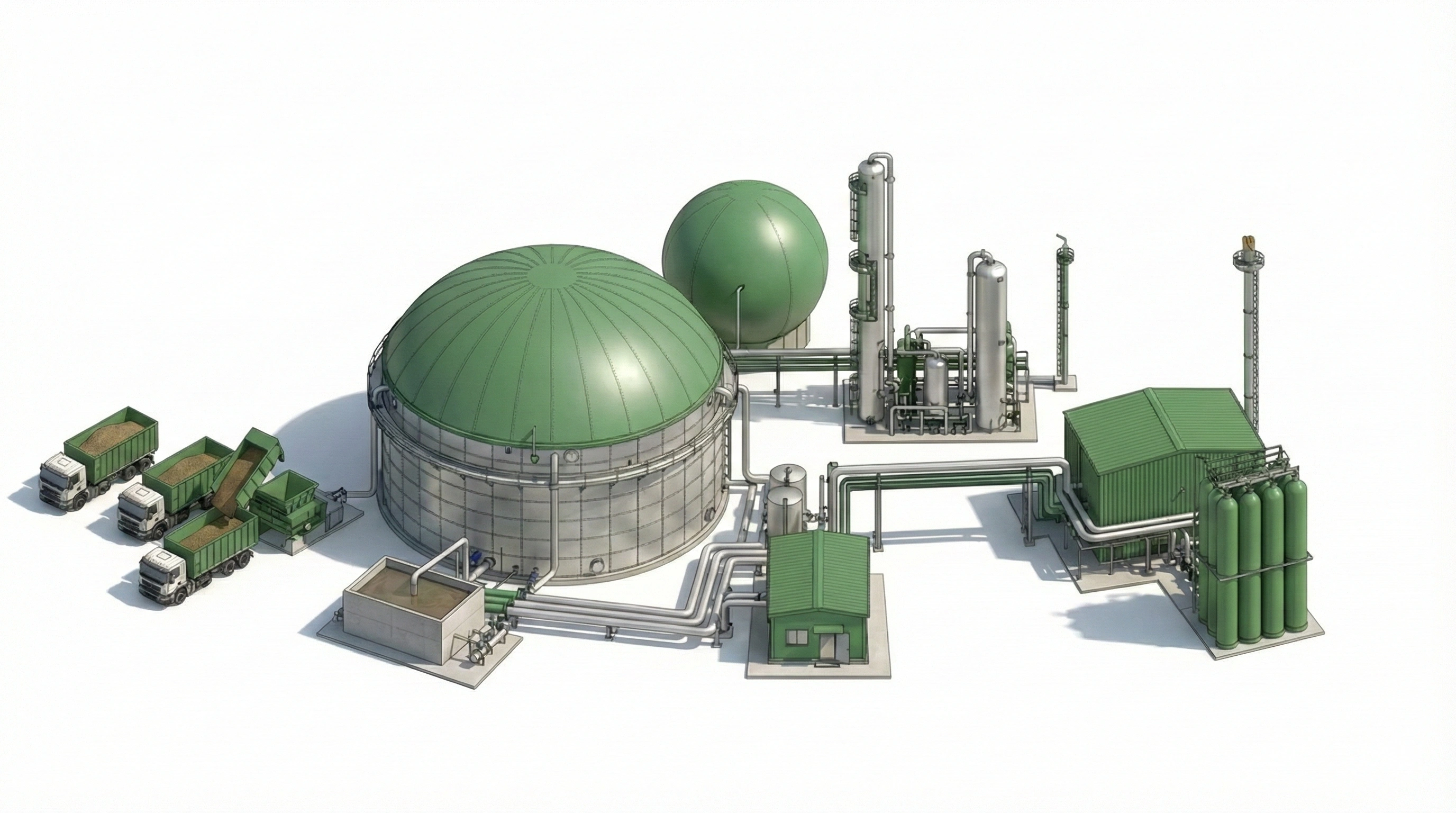
Energy Crops+ Agri-Waste
Napier Grass + Cow Dung
Digester
Anaerobic digestion
Purification
Biogas to CBG
CBG Output
Ready for use
Bio-CNG Production Technologies
Three proven digestion technologies — each optimized for specific feedstock types, operating conditions, and commercial requirements
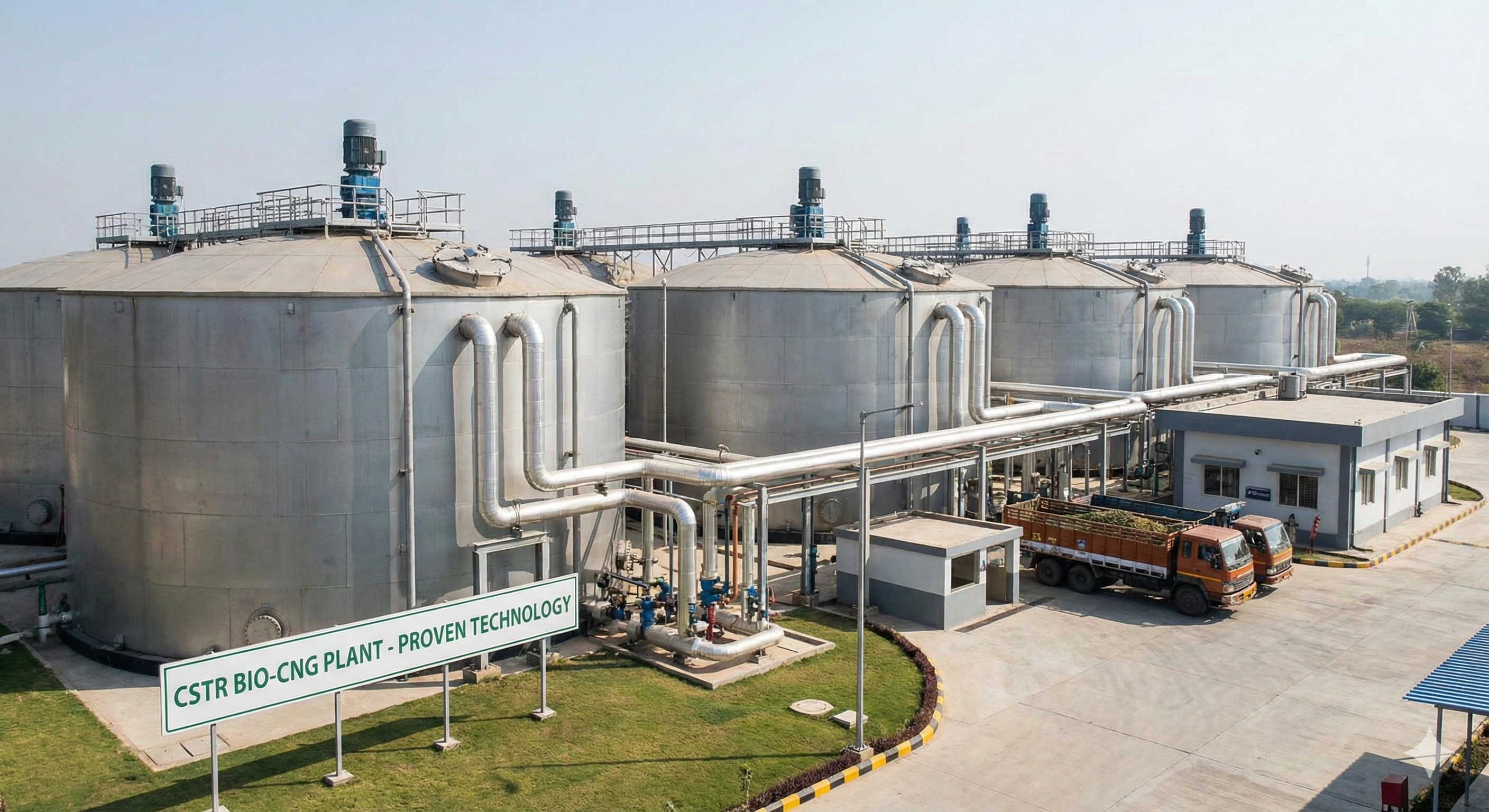
CSTR
Continuous Stirred Tank Reactor
Wet anaerobic digestion with continuous stirring for homogeneous feedstock
- Most bankable
- Proven technology
- Medium-large scale
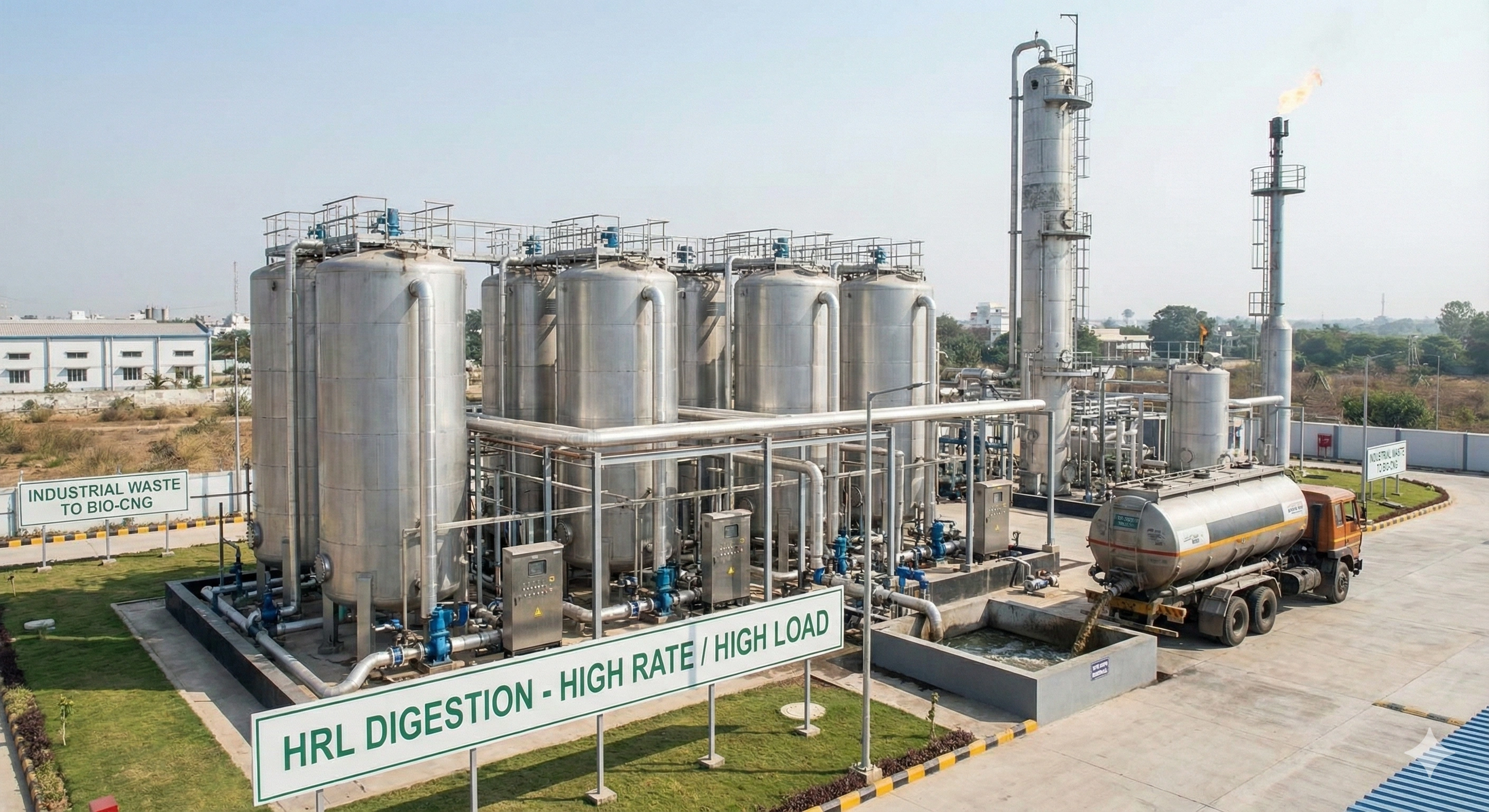
HLR
High Rate / High Load Digestion
Fast digestion for high COD industrial waste with superior gas yield
- Highest returns
- Smaller footprint
- Industrial waste
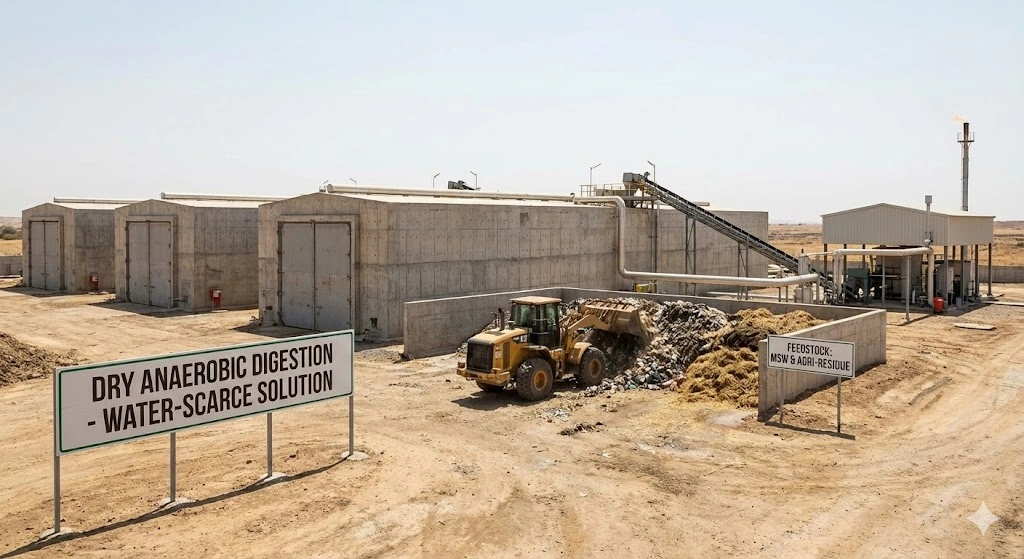
Dry Digestion
Dry Anaerobic Digestion
Low water requirement system for high-solid feedstock and MSW
- Water-scarce regions
- High TS content
- MSW & agri-residue
Bio-CNG (CBG) – Industry Standard Specifications
Meeting international quality standards for compressed biogas
kJ/kg
Complete Bio-CNG Ecosystem
From feedstock sourcing to offtake agreements and government support — explore the complete value chain
Feedstock
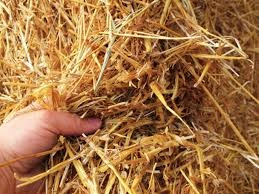
Selecting the right organic feedstock is crucial for optimal plant design and performance.
-
Agricultural Residue — Rice straw, wheat straw, bagasse
-
Cattle Dung & Slurry — From dairy farms
-
Food & Market Waste — Organic MSW
-
Industrial Organics — Press mud, distillery waste
Buyback & Offtake
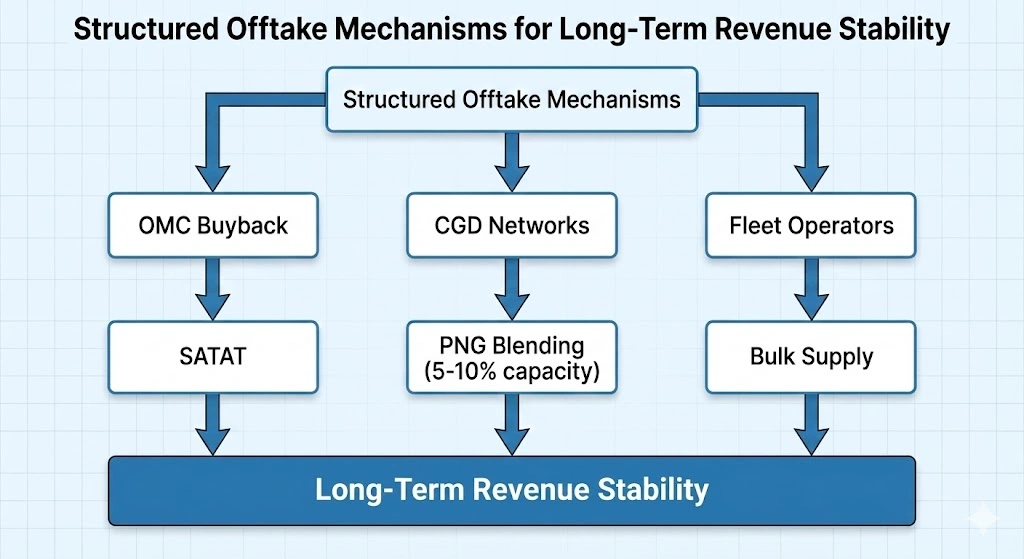
Structured offtake mechanisms ensuring long-term revenue stability through OMCs, CGD networks, and fleet operators.
Government Schemes
India's commitment to clean energy has created a favorable ecosystem for Bio-CNG development.
-
SATAT Framework — Guaranteed offtake
-
GOBARdhan Mission — Waste-to-wealth
-
Capital Subsidies — 30-40% support
Policy Advantages
Bio-CNG projects benefit from comprehensive government support, including subsidies, priority approvals, and long-term offtake guarantees under various national and state-level initiatives.
India's commitment to clean energy and waste management has created a favorable ecosystem for Bio-CNG development with strong policy backing and financial incentives.
Key Support Mechanisms
Scheme & state dependent financial support
Government facilitated resource access
Green financing & concessional rates
Additional revenue & ESG compliance
Streamlined clearances in select states
Long-term purchase agreements
When to Choose Which Technology
Technology selection guide based on climate, feedstock, water availability, and commercial objectives
| Decision Area | CSTR (Wet Digestion) | HLR / High-Rate Digestion | Dry Digestion |
|---|---|---|---|
| Best Climate Fit | Moderate to warm climates | Warm to hot climates | Cold, arid & variable climates |
| Why | Stable microbial activity, easy temperature control | Performs best at higher temperatures with fast kinetics | Low sensitivity to ambient temperature |
| Water Requirement | High | Medium–High | Very Low |
| Why | Requires slurry formation for digestion | High organic loading still needs dilution | Designed for high-solid feedstock |
| Ideal Feedstock | Cattle dung, slurry, mixed agri waste | Food waste, press mud, industrial organics | Straw, husk, agri residue, segregated MSW |
| Why | Homogeneous feedstock ensures process stability | High COD waste gives superior gas yield | Handles fibrous, high-TS solids efficiently |
| Best Commercial Use Case | Mixed agri-dung based projects | Industrial, clustered organic waste | MSW & agri-residue heavy regions |
| Why | Safest & most bankable | Highest returns at scale | Best for water-scarce & solid waste projects |
Best Climate Fit
Moderate to warm climates
Why: Stable microbial activity, easy temperature control
Warm to hot climates
Why: Performs best at higher temperatures with fast kinetics
Cold, arid & variable climates
Why: Low sensitivity to ambient temperature
Bio-CNG vs Conventional Fuels
Compare Bio-CNG with traditional fuel alternatives across key performance and sustainability metrics
| Fuel Type | Cost per Unit | Chemical Composition | Emissions | Typical Usage |
|---|---|---|---|---|
|
Bio-CNG (CBG)
|
₹48-55/kg | 92-98% CH₄ | Carbon Neutral | Vehicles, Industries, PNG blending |
| Fossil CNG | ₹70-85/kg | 85-95% CH₄ | High Carbon | Vehicles, Industries |
| LPG | ₹90-110/kg | Propane/Butane | High Carbon | Domestic, Commercial |
| Diesel | ₹95-100/L | Hydrocarbon mix | Very High | Transportation, Generators |
| Furnace Oil | ₹55-65/L | Heavy petroleum | Very High | Industrial heating |
| PNG | ₹40-50/kg | 80-90% CH₄ | High Carbon | Domestic, Commercial |
Bio-CNG (CBG)
Vehicles, Industries, PNG blending
Why Hastus Energy
Your trusted partner for Bio-CNG plant development and operation
Multi-Technology Capability
CSTR, HLR, and Dry Digestion expertise under one roof. We help you select the right technology based on your feedstock, climate, and commercial objectives.
End-to-End EPC Execution
Complete project delivery from feasibility study to commissioning. Engineering, procurement, construction, and long-term O&M support.
Global Pan-India Experience
50+ successfully delivered Bio-CNG projects across 15+ states in India and international markets. Proven track record in diverse conditions.
Your Bio-CNG Partner
Planning a Bio-CNG Plant?
Get the right technology, feedstock strategy, machinery sizing, and execution partner — all under one roof.
Complete Solutions
From concept to commissioning
Hastus Energy - Leading Bio-CNG Technology Provider in India