Feedstocks for Biomass Pellets
Agricultural and forestry residues processed into high-energy density biomass pellets for clean combustion. These feedstocks are processed into high-quality biomass pellets.
Ash Content (%)
Measures the non-combustible residue left after burning. Lower ash means cleaner combustion and higher efficiency.
Heat of Combustion (Kcal/kg)
Represents the energy potential of the feedstock — higher values indicate better fuel output and efficiency.
Moisture Content (MC%)
Indicates the water content in the feedstock. Optimal moisture levels ensure efficient pelletization and combustion.
Quantity Required
Denotes how much raw material is needed to produce one ton of biomass pellets or for continuous hourly operation.
Feedstocks for Bio-CNG
Organic waste materials optimized for biogas and Bio-CNG production through anaerobic digestion. These organic materials are optimized for Bio-CNG production.
_1.jpeg)
Press Mud
Sugar industry byproduct rich in organic matter. Excellent for biogas with high methane potential and balanced nutrient composition.
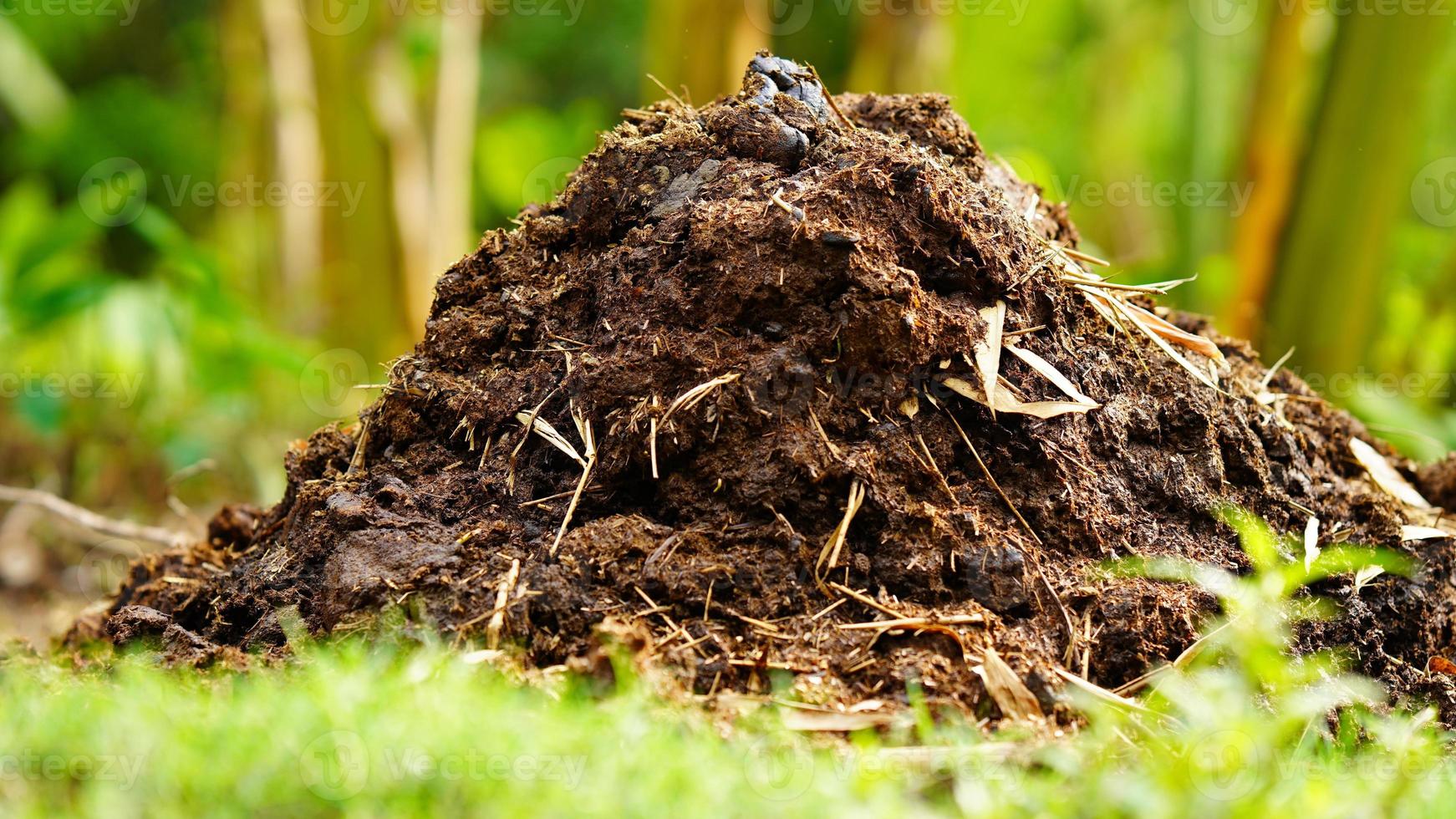
Cow Dung
Traditional and reliable feedstock with consistent biogas production. Provides stable digestion and good buffering capacity for optimal pH.
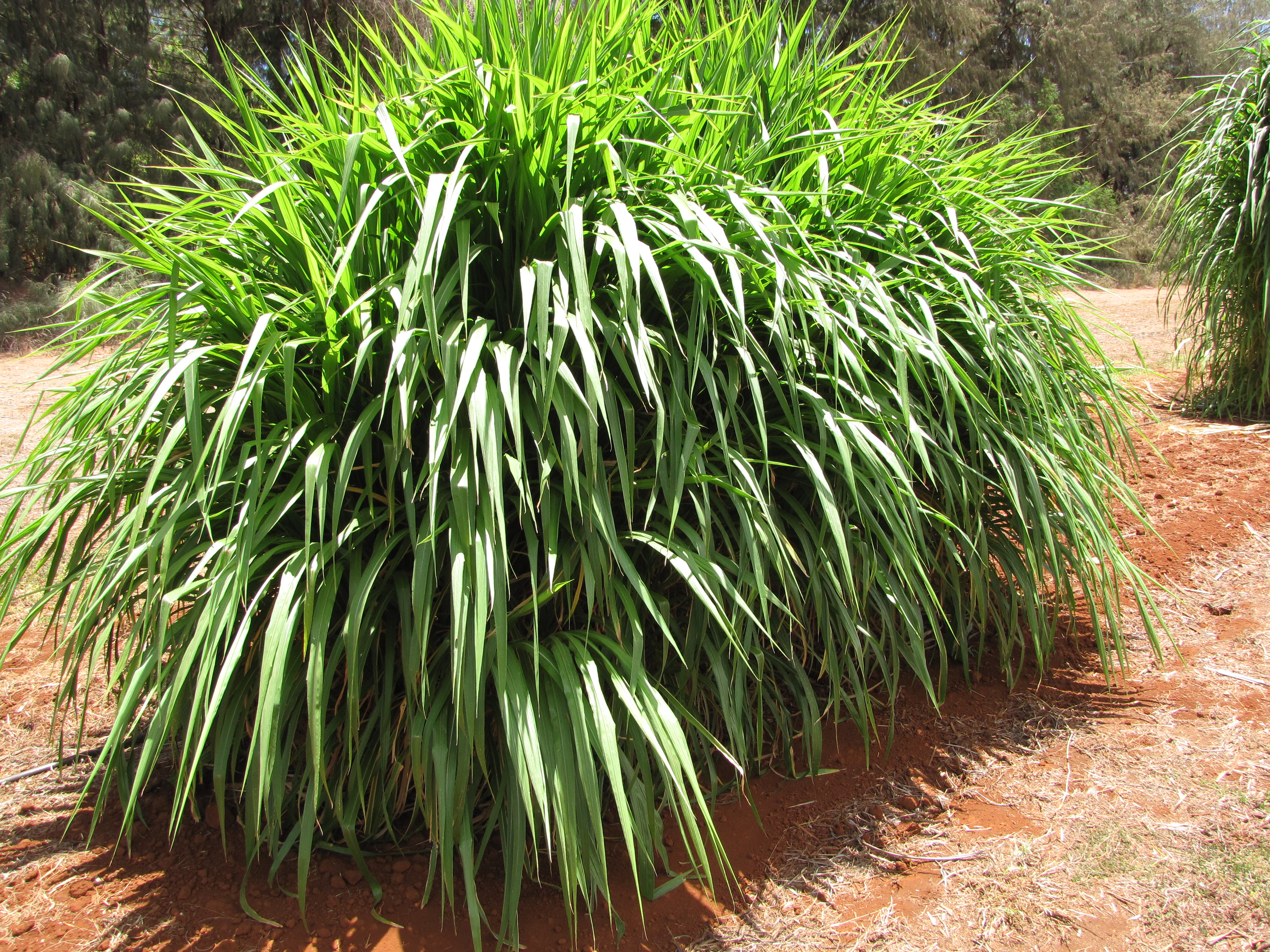
Napier Grass
High-yielding energy crop with excellent methane potential. Fast-growing and renewable source ideal for dedicated biogas production.
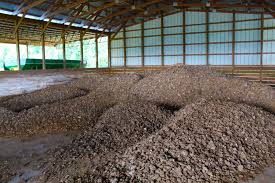
Poultry Litter
High-nitrogen content waste with excellent biogas yield. Rich in nutrients and provides rapid gas production with proper co-digestion.
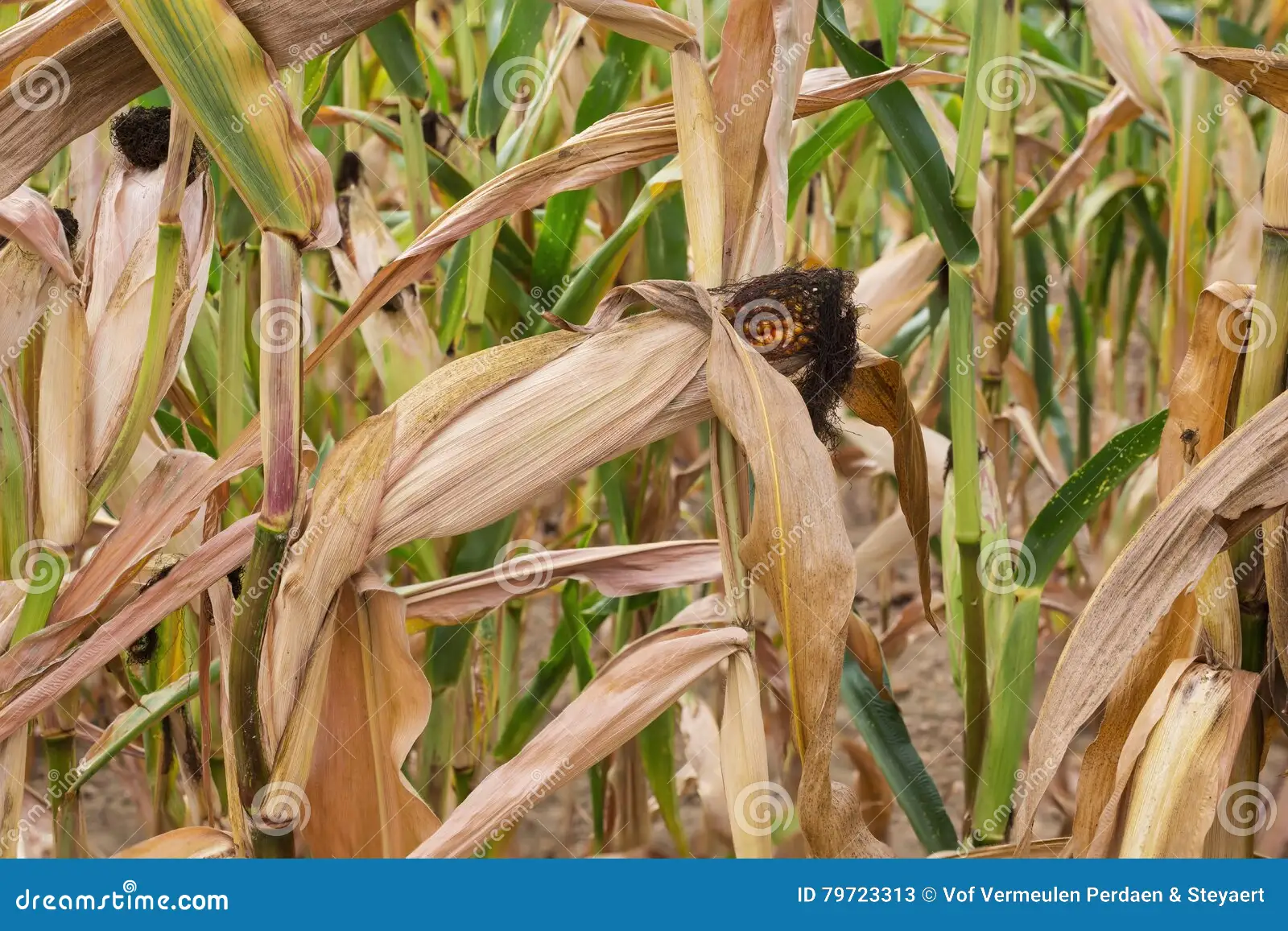
Maize Stalk
Agricultural residue with good cellulose content. Requires pre-treatment for optimal digestion but provides steady biogas production.
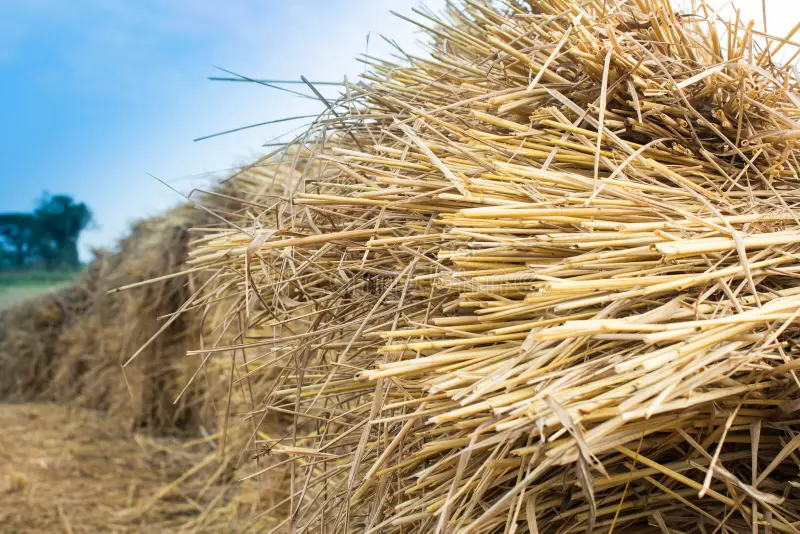
Rice Straw
Abundant agricultural waste with high lignin content. Benefits from co-digestion with nitrogen-rich materials for balanced fermentation.
Moisture Content (%)
The water content in the feedstock. Optimal moisture levels (60-85%) ensure efficient anaerobic digestion and biogas production.
Total Solids (TS%)
The total solid content including organic and inorganic matter. TS = 100% - Moisture Content. Higher TS means more feedstock per unit volume.
Carbon/Nitrogen Ratio (C/N)
The ratio of carbon to nitrogen. Optimal C/N ratio (20-30:1) ensures balanced microbial activity and efficient biogas production.
Understanding Quantity Requirements
"Quantity Required" indicates the amount of raw feedstock needed to produce one ton of Bio-CNG. It varies by substrate efficiency, methane yield, and digestion rate.
Ready to start your project?
Explore our PMC and EPC services for comprehensive feedstock-to-energy solutions.