Back to Blogs
Author: Yash Kumar Date: 15 October 2025 Feedstock Technology Biomass Pellets BioCNG

Choosing the Right Feedstock for Your Bio-CNG or Biomass Pellet Plant

How to select the most efficient, cost-effective, and sustainable feedstock for your CBG or pellet production.
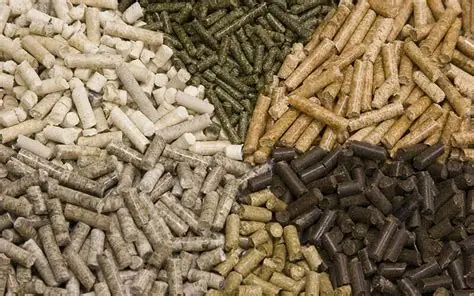
Diverse feedstock options for Bio-CNG and biomass pellet production.

The right feedstock is critical for the efficiency, profitability, and sustainability of any Bio-CNG or biomass pellet plant. With diverse options available in India, strategic selection is key.

1. Common Feedstock Options

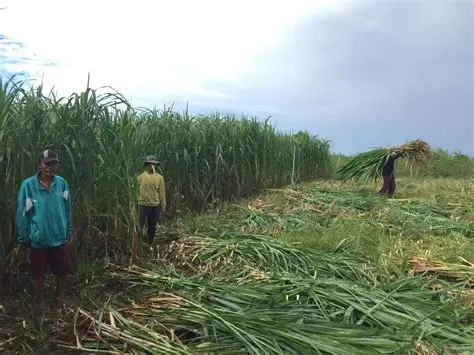
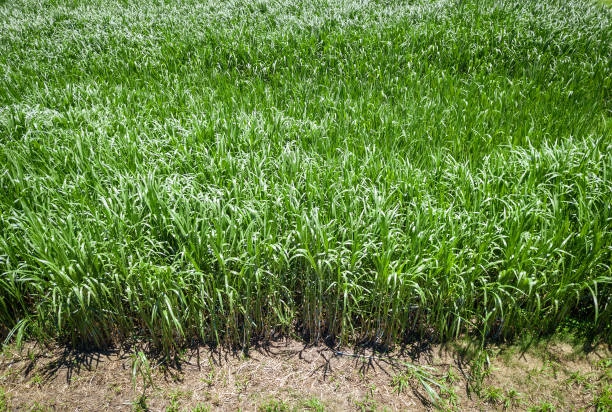
  • Napier Grass: High yield, dual-use, 180–220 m³ methane/ton.
  • Bagasse: Residue from sugarcane, widely available, high calorific value.
  • Press Mud: Byproduct of sugar production, suitable for pellets.
  • Sawdust / Wood Chips: Ideal for pellets; requires pre-treatment for CBG.
  • Mushroom Substrate / Municipal Waste: Circular economy feedstock for energy recovery.

2. Selection Criteria

  • Methane potential / calorific value
  • Moisture content & particle size
  • Availability & logistics
  • Cost & seasonality
  • Environmental impact & policy compliance

3. Pre-Treatment & Technology Needs

  • Size reduction and moisture adjustment.
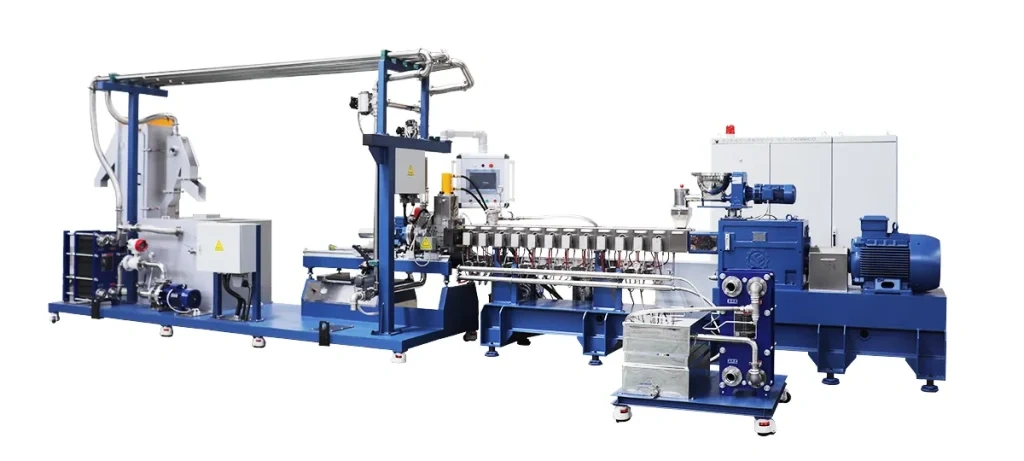
  • Pelletization or direct anaerobic digestion depending on plant type.
  • Optional hybrid systems: solar-assisted drying or densification.

4. Hastus Perspective

  • Integrated feedstock mapping ensures year-round supply.
  • Cluster-based sourcing minimizes transport costs.
  • Quality control protocols maintain uniform methane yield and pellet consistency.

Hastus Insight: Contact Hastus to design a feedstock strategy that maximizes methane yield and pellet efficiency for your Bio-CNG or pellet plant.
Subscribe to Updates

Stay informed with the latest insights on renewable energy, Bio-CNG, and sustainable solutions.

How can we help you?