The Gaps in India's Bio-CNG Landscape — What's Missing and What's Next
Understand why India's Bio-CNG capacity remains underutilized and what systemic reforms can bridge the technology-policy gap.
Read Article →How Napier grass is redefining the economics of Bio-CNG by turning a high-yield crop into a renewable fuel source.
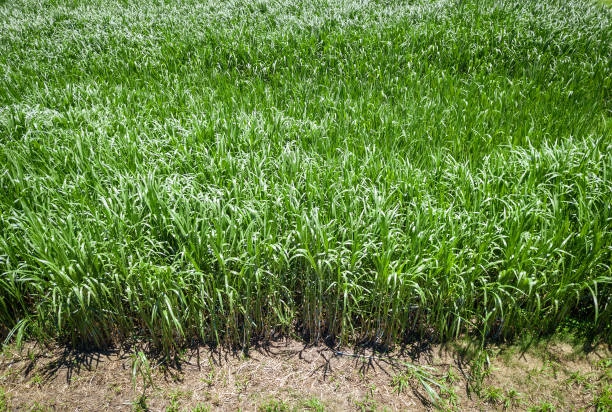
Among India's renewable feedstocks, Napier grass (Pennisetum purpureum) has emerged as the most consistent, scalable, and cost-efficient biomass source. Known colloquially as "Elephant Grass," Napier delivers high biomass yield per hectare, grows year-round, and thrives across diverse Indian climates — from humid coastal belts to semi-arid zones.
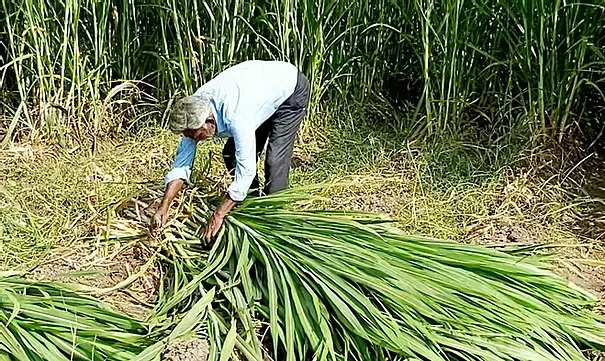
With modern high-yield varieties such as CO-3, CO-4, and Super Napier, farmers can achieve 180–250 tonnes of biomass per hectare annually under irrigation. Its moisture retention and rapid regrowth cycle make it ideal for continuous Bio-CNG and pellet production.
Unlike other agricultural residues that depend on seasonal harvests, Napier provides a dedicated feedstock stream, allowing Bio-CNG plants to run at stable load factors throughout the year. The crop's dense cellulose and hemicellulose structure make it highly digestible in anaerobic digesters, maximizing methane yield.
Napier's advantages extend beyond gas production. Its by-products — such as silage and FOM (Fermented Organic Manure) — create additional revenue channels for rural communities. Cultivating Napier on wastelands or non-food-producing areas prevents competition with food crops, supporting sustainable rural development.
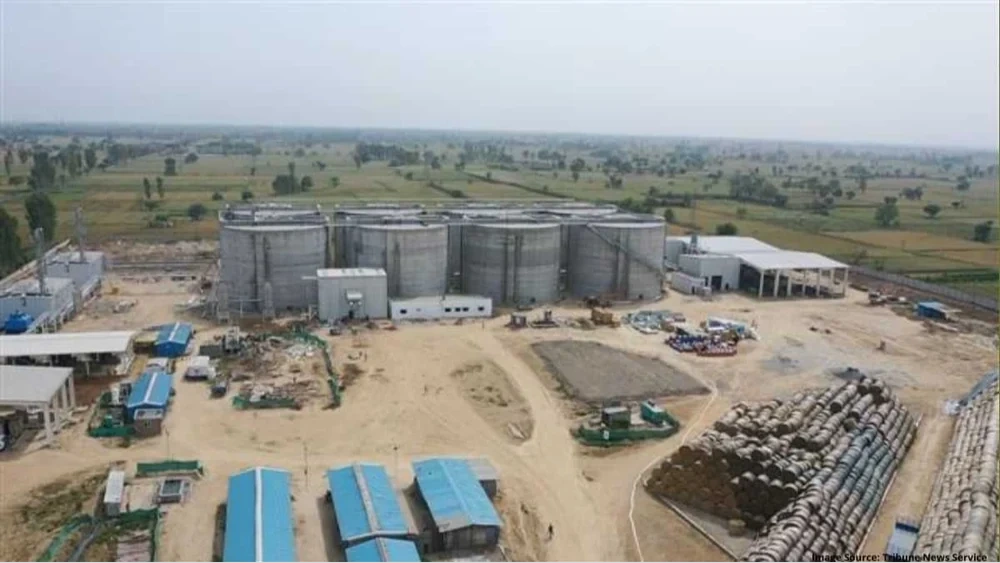
Hastus Energy promotes Napier-based feedstock models as part of its "Field-to-Flame" ecosystem, ensuring vertical integration from plantation to gas bottling. This creates predictable supply chains, lower logistics costs, and higher operational uptime for Bio-CNG facilities.
Stay informed with the latest insights on renewable energy, Bio-CNG, and sustainable solutions.