The Core Technologies Behind India's Bio-CNG Revolution
Explore core Bio-CNG technologies — anaerobic digestion, purification, compression, and control systems.
Read Article →Despite high potential, India's Bio-CNG growth lags due to systemic, infrastructural, and economic barriers.
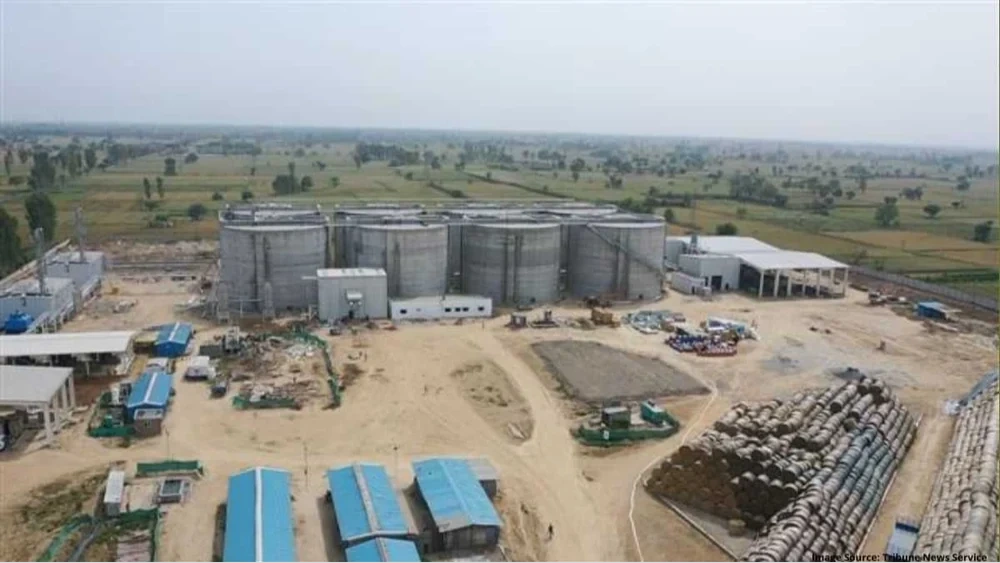
India holds one of the largest biomass reserves globally, yet Bio-CNG infrastructure remains underdeveloped. The reasons are deeply rooted in policy fragmentation, financial barriers, and technical gaps.
High upfront CAPEX and long payback periods deter small-scale entrepreneurs.
Inconsistent biomass supply chains and seasonal availability restrict continuous operations.
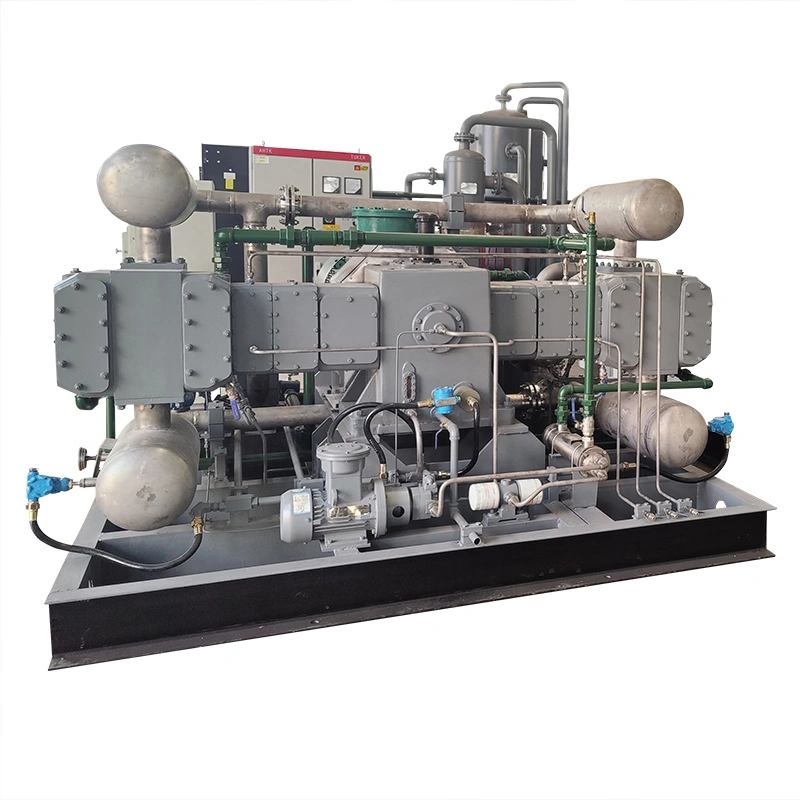
Heavy reliance on imported purification and compression technology increases costs.
While the SATAT scheme is a breakthrough, delays in offtake agreements and lack of uniform state policies slow down project execution.
Hastus Insight: Bridging these gaps demands domestic technology localization, better financing tools, and integrated EPC ecosystems — all areas Hastus is actively solving.
Stay informed with the latest insights on renewable energy, Bio-CNG, and sustainable solutions.