Powering Sustainability: Electricity Load Management in Bio-CNG Plants
Learn how energy-efficient design and smart load management can reduce operational costs and enhance Bio-CNG plant sustainability.
Read Article →A deep dive into how much electrical and processing load a Bio-CNG plant can handle efficiently without overstraining operations.
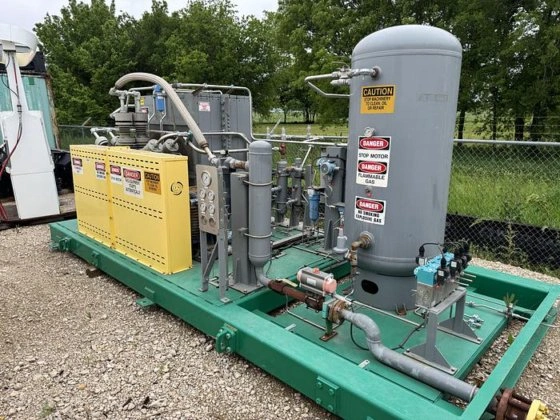
A Bio-CNG plant's capacity is not just about daily feedstock input — it depends on electrical load, digester size, gas yield efficiency, and compressor design.
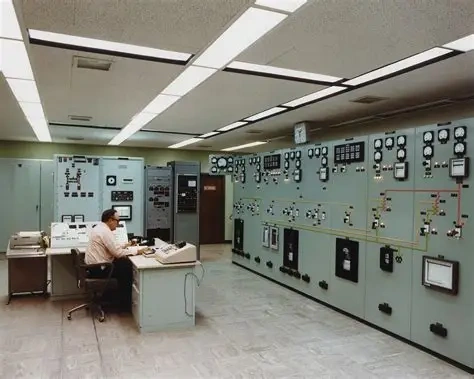
A typical 5 TPD plant consumes around 350–450 kWh/day, depending on motor ratings, digester mixing systems, and compression stages.
Feedstock input must match digester retention time (usually 25–35 days). Overloading can cause gas quality dips or microbial imbalance.
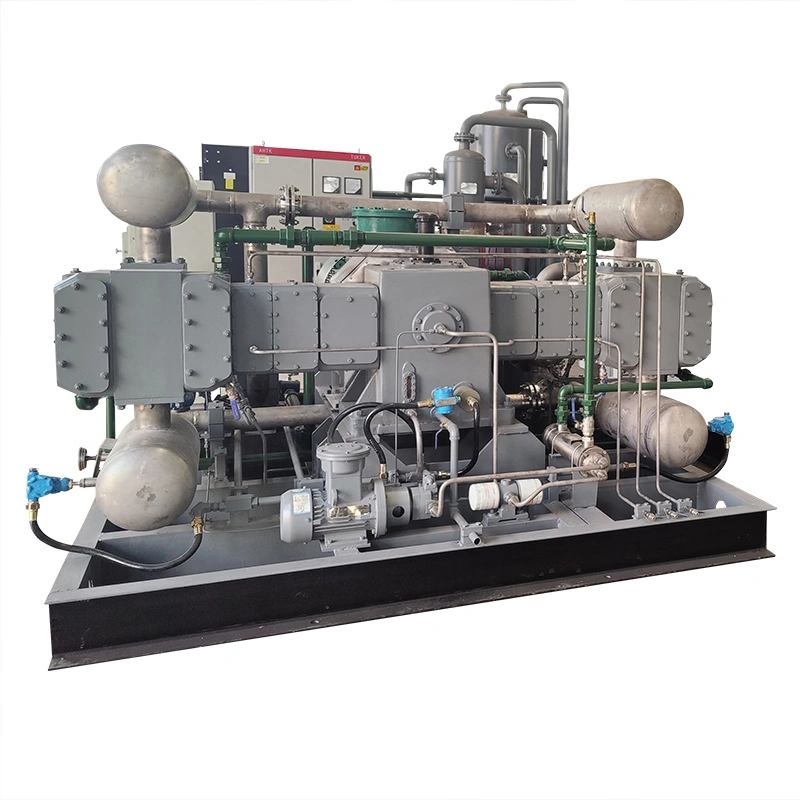
CBG is compressed to 200–250 bar, requiring staged compression systems with sufficient cooling and pressure safety valves.
Hastus Insight: Hastus designs its plants with load flow mapping, ensuring efficiency even at 110% temporary capacity for operational resilience.
Stay informed with the latest insights on renewable energy, Bio-CNG, and sustainable solutions.