Bio-CNG vs CNG vs LNG — The Future of Green Mobility
Understand the differences between Bio-CNG, CNG, and LNG in terms of production, emissions, and application.
Read Article →Exploring India's ambitious roadmap to build 5000 Bio-CNG plants by 2030 and redefine rural energy independence.
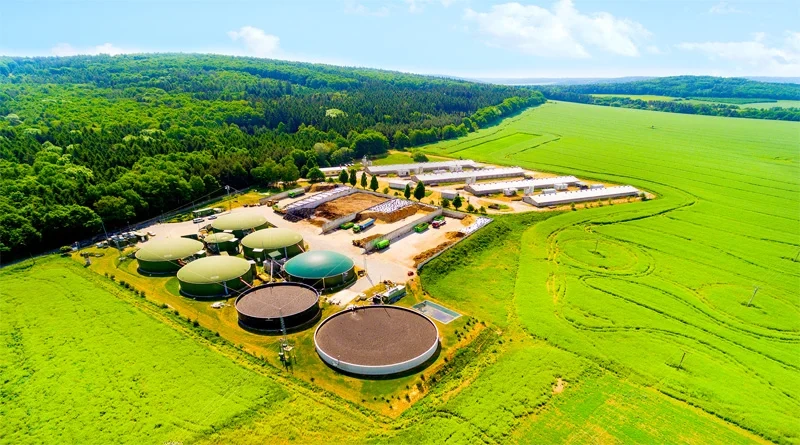
India's transition to clean energy is entering a defining phase — one that links rural empowerment with industrial sustainability. At the heart of this shift lies Bio-Compressed Natural Gas (Bio-CNG or CBG), a renewable, carbon-neutral substitute for conventional CNG. Unlike fossil gas, Bio-CNG is derived from organic waste — agricultural residues, pressmud, Napier grass, food waste, and animal dung — making it an integral part of India's circular economy.
The Government of India launched two major programs — SATAT (Sustainable Alternative Towards Affordable Transportation) and GOBARdhan (Galvanizing Organic Bio-Agro Resources Dhan) — to accelerate this transformation. The SATAT initiative aims to establish 5000 Bio-CNG plants producing 15 million metric tonnes per annum of CBG by 2030. This initiative directly addresses three national priorities: waste management, clean energy generation, and rural livelihood creation.
Bio-CNG production not only provides cleaner fuel but also yields Fermented Organic Manure (FOM) as a valuable byproduct, enriching soil fertility and reducing the dependency on synthetic fertilizers. Each 10 TPD (ton per day) Bio-CNG plant can generate over 8,000 tons of organic manure annually, supporting local agriculture.
Hastus Energy is among India's first firms to approach this space with a sovereign-grade, IP-driven execution model — ensuring scalability, replicability, and transparent partnerships through Special Purpose Vehicles (SPVs). These decentralized energy hubs convert waste from villages into wealth for farmers, industries, and municipalities.
This vision aligns with India's 2070 Net Zero target, positioning Bio-CNG as a vital cog in the Energy Security and ESG (Environmental, Social & Governance) framework. With a proven feedstock base and rising industrial demand, India's Bio-CNG revolution is no longer an aspiration — it's an execution story in motion.
Stay informed with the latest insights on renewable energy, Bio-CNG, and sustainable solutions.