Bio-CNG vs CNG vs LNG — The Future of Green Mobility
Understand the differences between Bio-CNG, CNG, and LNG in terms of production, emissions, and application.
Read Article →A deep dive into the backbone of Bio-CNG logistics — cascades, the silent carriers of compressed green energy.
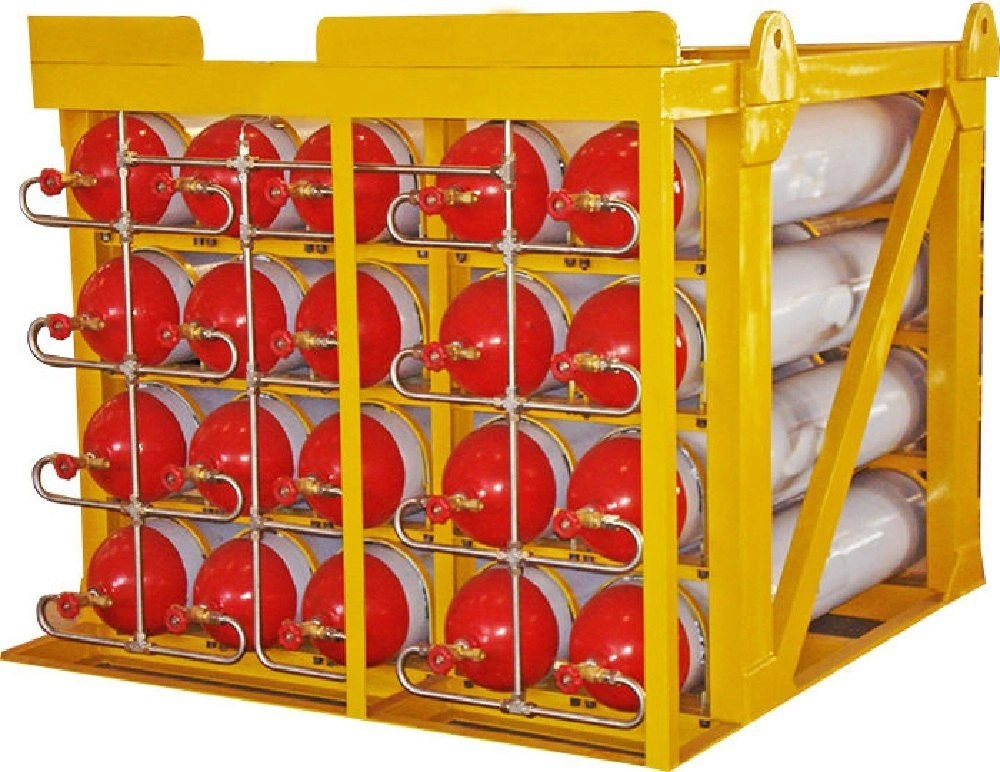
Behind every efficient Bio-CNG plant lies a robust cascade system — a set of interconnected high-pressure cylinders used for storing and transporting compressed biogas safely. Cascades ensure uninterrupted gas delivery from production sites to distribution or refueling stations.
Typically, a cascade operates at pressures between 200 and 250 bar, maintaining the purity and energy content of Bio-CNG during transport. Each cascade can hold up to 3000–6000 standard cubic meters (SCM) of gas, depending on design and material.
Cascades are built with seamless steel or composite cylinders, tested under strict safety codes (PESO and ISO standards). The modular design allows for quick replacement and transport, especially in decentralized plants where direct pipeline injection isn't feasible.
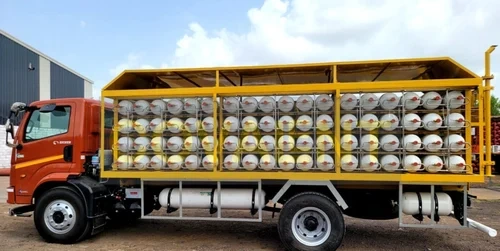
The role of cascades goes beyond transport. They help stabilize the gas flow during bottling and support mobile refueling operations for industries and vehicles in non-grid areas.
In Hastus Energy's project design, cascade systems are optimized for pressure uniformity, leak safety, and efficient loading/unloading — ensuring reliability in remote installations. Proper cascade management can reduce operational downtime and extend system life.
As India scales up its Bio-CNG production, establishing standardized cascade systems will be essential for achieving nationwide CBG distribution and fueling mobility.
Stay informed with the latest insights on renewable energy, Bio-CNG, and sustainable solutions.